
How to Find Washington Residents
Begin with the fact you can name. An address points toward Washington County GIS and the Assessor; a deed question belongs with the Recorder; a current civic record starts with Utah elections. A family-history question may instead lead to the Washington County Historical Society, Utah State Archives, or the Washington County Library. These sources describe different roles, so a record showing an owner, voter, court party, or historical speaker should not be treated as proof of one current household.
The Washington residents directory is therefore a set of dated trails. County and city pages provide the custodian, while state systems fill gaps for courts, vital records, licenses, and elections. A search can locate a parcel or a historical name, but it cannot promise an unlisted household, a protected address, or a complete list of everyone at one home.
- Write down the name or address exactly as known, including a middle initial, unit, old spelling, or historic number.
- Use the Washington County parcel or address map to separate situs, mailing address, subdivision, and parcel or TAX_ID.
- Check the Utah voter route only for fields the current public rules allow, then record the retrieval date and jurisdiction.
- Search the Recorder’s party, role, book, page, parcel, document-type, and date fields for the legal trail.
- For an older question, ask the library, WCHS, or Archives for a defined year, series, newspaper, directory, or probate file.
Note: A public index can point to a record without proving that the named person lives at the listed address today.
Washington Resident Records Offices
Most Washington name-bearing records sit outside the city. The Washington County Recorder at 111 E Tabernacle St, St. George, handles deeds, historical instruments, Property Watch, and recording guidance. The county Assessor and GIS viewers connect parcels, addresses, ownership labels, maps, images, sketches, subdivisions, and tax context. The County Clerk handles elections, marriage-license and GRAMA functions. Washington City remains the route for municipal minutes, ordinances, licenses, permits, code records, public notices, and its Justice Court procedure.
Each custodian answers a narrower question. The Recorder shows a legal transaction and its parties. The Assessor describes the parcel and tax relationship. Elections supplies controlled voter data under Utah rules. The city’s records page links its Government Records Request Form, while Utah GRAMA, Title 63G Chapter 2, supplies the state framework for a reasonably specific request.
Washington County Recorder
111 E Tabernacle St
St. George, UT 84770
(435) 301-7680
Recorder office and property resources
Washington County Assessor
Washington County offices
St. George, UT
See Assessor office page
Assessor Record Search Viewer
Washington County Elections
111 E Tabernacle St
St. George, UT 84770
(435) 301-7220
Elections and precinct resources
The Washington City records page shows the municipal starting point for city records and GRAMA forms.
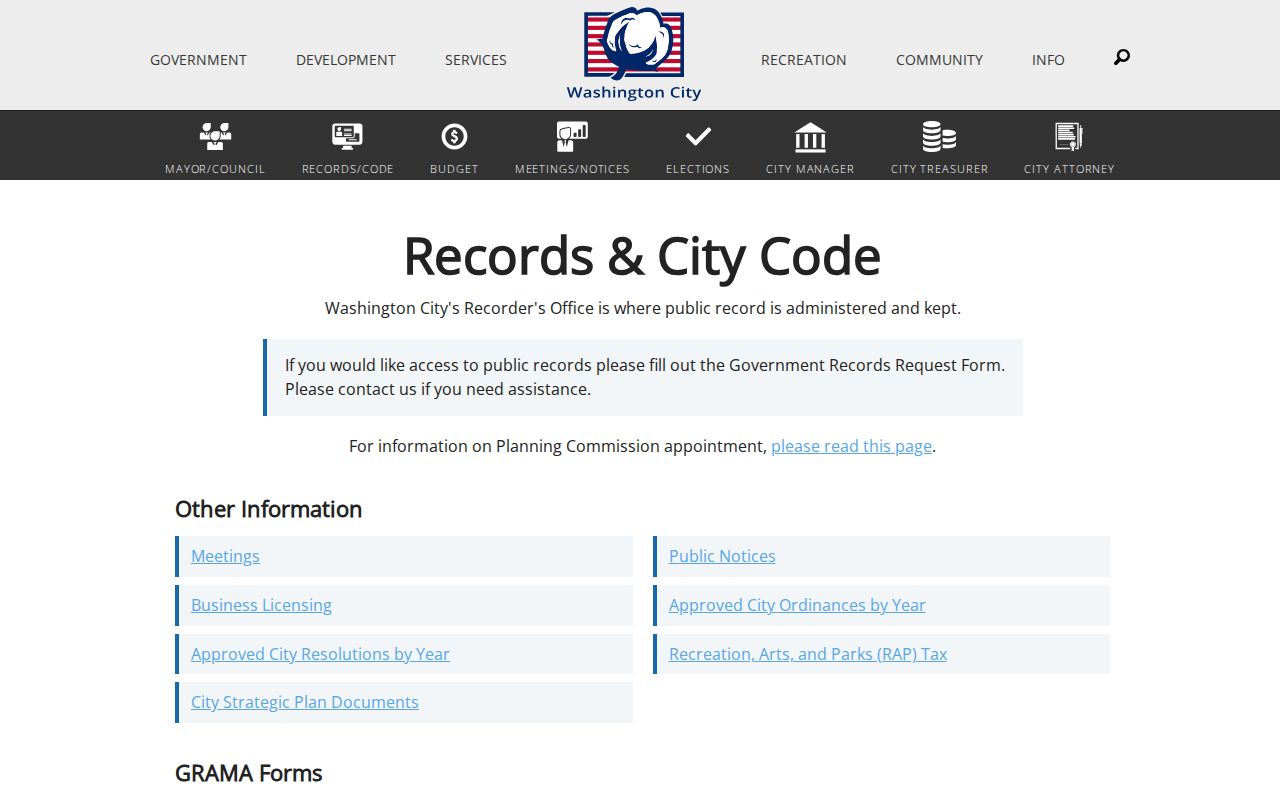
The city route complements the county offices when the record concerns ordinances, resolutions, notices, licenses, permits, or municipal minutes.
The Washington County Recorder office page is the county source for deeds, property search, historical documents, and recording guidance.
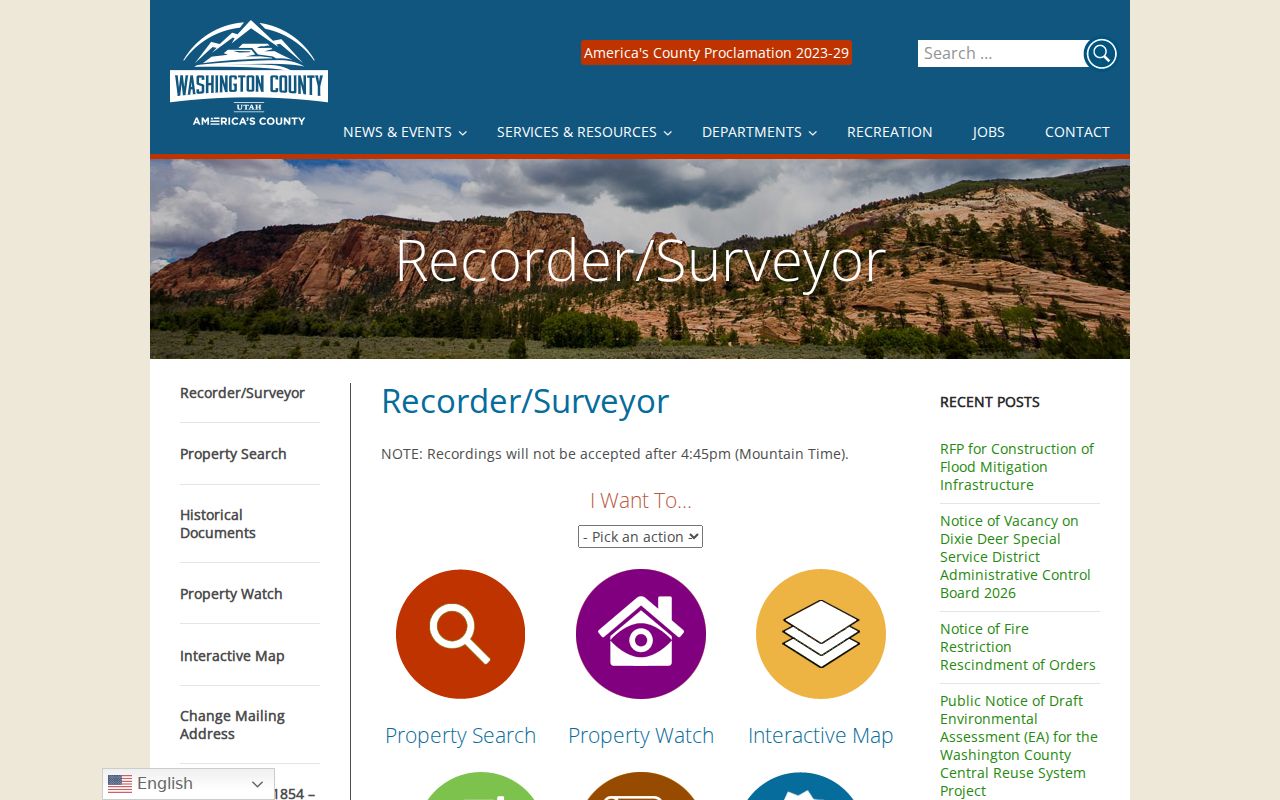
Use the Recorder’s own page when a parcel or recorded party needs an official copy or current requirement.
Washington Records Start With Roles
Search results become safer when the role is named before the person. The county parcel layer can show an ownership label, account number, subdivision, image, or property-report link. A Recorder instrument can show grantor, grantee, legal description, book, page, and date. Neither field set proves occupancy. The Washington City map gallery adds historic sites, cemetery plots, facilities, parks, voting districts, flood, trails, and zoning, but its disclaimer means map context remains separate from identity.
- Roll
- A maintained list, such as voter records, with its own rules and update date.
- Index
- A finding aid or set of search entries that may point to an image or file.
- Parcel
- A mapped property unit identified by a parcel or TAX_ID, not a household.
- Criss-cross directory
- A historical address-to-name reference; no official Washington City run was located.
Current Washington Resident Directories
There is no single current public Washington residents directory. Instead, the useful sources have different owners and limits. The table keeps those differences visible, so a property record is not mistaken for a voter record and a community listing is not treated as an official population roll.
| Source | Who It Lists | Keeper | Access |
|---|---|---|---|
| Assessor and parcel report | Owner or ownership, parcel context | Washington County Assessor | Public viewer |
| Voter lookup and data request | Allowed name, address, status, party, precinct, vote-history fields | Utah Elections / County Clerk | Rules, scope, fee, and exclusions apply |
| Recorder historical index | Deed and recorded-party relationships | Washington County Recorder | Index and copy routes |
| City records and services | Public officials, licenses, notices, municipal roles | Washington City | Page or GRAMA request |
| Community or HOA material | Published organizations and governing documents | Private or civic group | Not a member roster |
Use the Assessor when the starting point is a parcel. Use the Recorder when a transfer or legal description matters. Use the elections route for a controlled public-data request, not a home-built list. For one person, role and date should be checked across records in the Washington resident lookup workflow. A source that returns no row may be outside its coverage, protected, indexed differently, or not yet digitized.
Official and commercial sources also differ in how a result can be checked:
| Source type | Strength | Washington caution |
|---|---|---|
| County or state record | Named custodian, field definition, date, and correction route | Special access, redaction, fee, or coverage rules still apply |
| Library or archival collection | Historical context, series, reel, folder, and source citation | A finding aid or index may not include a digitized image |
| Commercial people-finder category | May combine broad public and marketing data | Freshness, matching, provenance, fees, and opt-out mechanics vary |
Washington Voter Data Has Edges
Utah’s voter information route is useful because it distinguishes public fields from protected identifiers. Described public data can include legal name, voter ID, age range, residential and mailing address, county, precinct, district assignments, party or unaffiliated status, active or inactive status, last-updated information, and election participation history. Full date of birth, driver or state ID, Social Security number, email, and phone remain protected. Participation history does not reveal a candidate choice.
Washington County’s request form asks for requester and organization details, a qualifying category, voter type, party, precinct or district scope, requested fields, purpose, and signature. County-only lists stay with the county, while data for districts crossing county lines comes from the Lieutenant Governor. Fees and encrypted delivery apply. The 2026 SB153 transition took effect May 25, so any live page should be checked again before a request is made.
Search the Washington Assessor Viewer
The Washington County Assessor Record Search Viewer is the property starting point. Research materials confirm that it is linked as a public viewer for property reports, images, and sketches, but the exact on-screen query controls were not exposed in the inspected source. Keep that uncertainty in the wording. A portal link confirms access to the viewer, not a completed owner-name search.
| Observed or documented field | How to use it |
|---|---|
| Owner or ownership | Read as a property relationship, not current occupancy. |
| Situs and mailing address | Keep the parcel location apart from where tax notices go. |
| Parcel, account, or TAX_ID | Carry the identifier into GIS and Recorder research. |
| Characteristics, value, image, sketch | Use for property context; retain the viewer date and source. |
The county parcel REST layer additionally identifies subdivision name, ownership, image, “View Ownership Data,” and “Create Property Report” functions. A responsible result card can show the source and parcel identifier while omitting full tax identifiers, signatures, and unnecessary personal data.
The Assessor property-report viewer is the official visual entry point for those property fields.
Its public purpose is clear, while exact live search controls remain unconfirmed in the research capture.
Washington Courts Need Venue
For a case name, choose the court level first. Washington City Justice Court lists its local procedure and contact at 111 N 100 E, with the city page noting citation timing, payment options, Webex arrangements for non-county participants, and a schedule note beginning July 1, 2026. Case-level searching belongs in Utah Xchange, where jurisdiction, search type, case number, last or company name, first name, case type, county or court scope, birth date, citation, and date range can narrow a result.
Xchange can show court, case type and number, filing date, party, history, events, documents, judgments, and disposition details when public. Most district courts were in CORIS by the end of 1998, while justice coverage varies. Public courthouse terminals and the State Law Library offer another access channel. Sealed, juvenile, expunged, adoption, civil-commitment, and other protected cases are excluded or restricted.
Note: A party entry is a procedural relationship; read disposition and case status before describing what happened.
The Washington County Clerk page helps distinguish county elections and clerk functions from court custody.
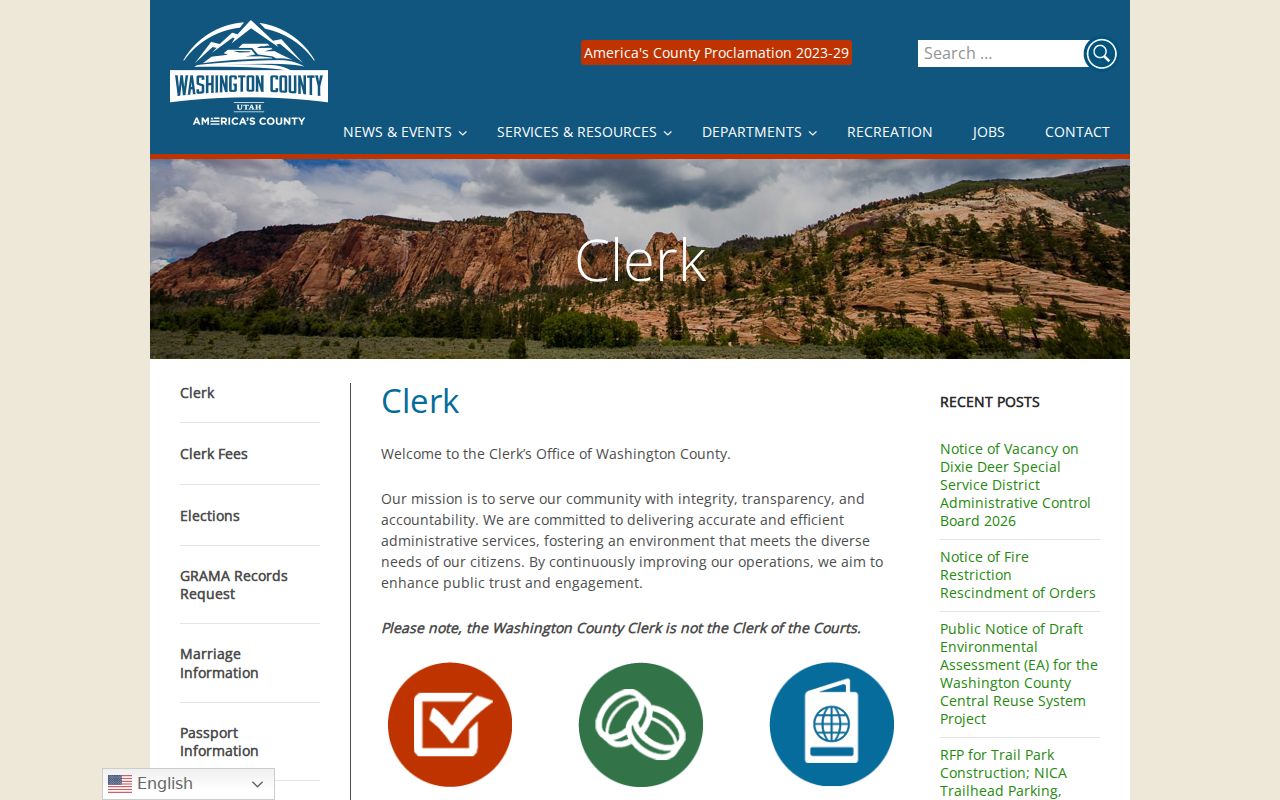
That office map is useful when a name-bearing county request belongs with the Clerk rather than a court clerk.
Washington’s Historic Record Shelf
The Washington County Historical Society inventory gives the strongest dated local shelf leads: Utah Gazetteer and Salt Lake City Directory 1874; Utah Directory & Gazetteer 1879–80; Utah Gazetteer 1892–93; State Gazetteer & Business Directory 1903–04; and Washington County News from January 30, 1908 through December 1923. WCHS says its free online history library is volunteer-maintained, evolving, and incomplete. Search its subject index, then ask for the original page or image.
The Washington County Library branch at 220 N 300 E in Washington offers local-history reference help and Heritage Quest for patrons with a current county barcode, with in-library access guaranteed. Utah Tech Special Collections holds Washington City Historical Society material, including biographical files, oral-history transcripts, civic records, maps, photographs, and the WASH-046 collection from 1981–2000. The Utah State Archives adds birth, death, court, probate, incorporation, and abstract finding aids. These are historical leads, not current resident lists.
A 2026 Archives update added Washington County birth registers and reports to online name indexes. That improves access to the 1898–1905 register series, but the public-access age rules still apply. For historical family work, name the collection, series, year, folder, page, reel, or transcript identifier instead of copying private details.
The Utah State Archives index hub is the best public starting screen for the historical shelf.
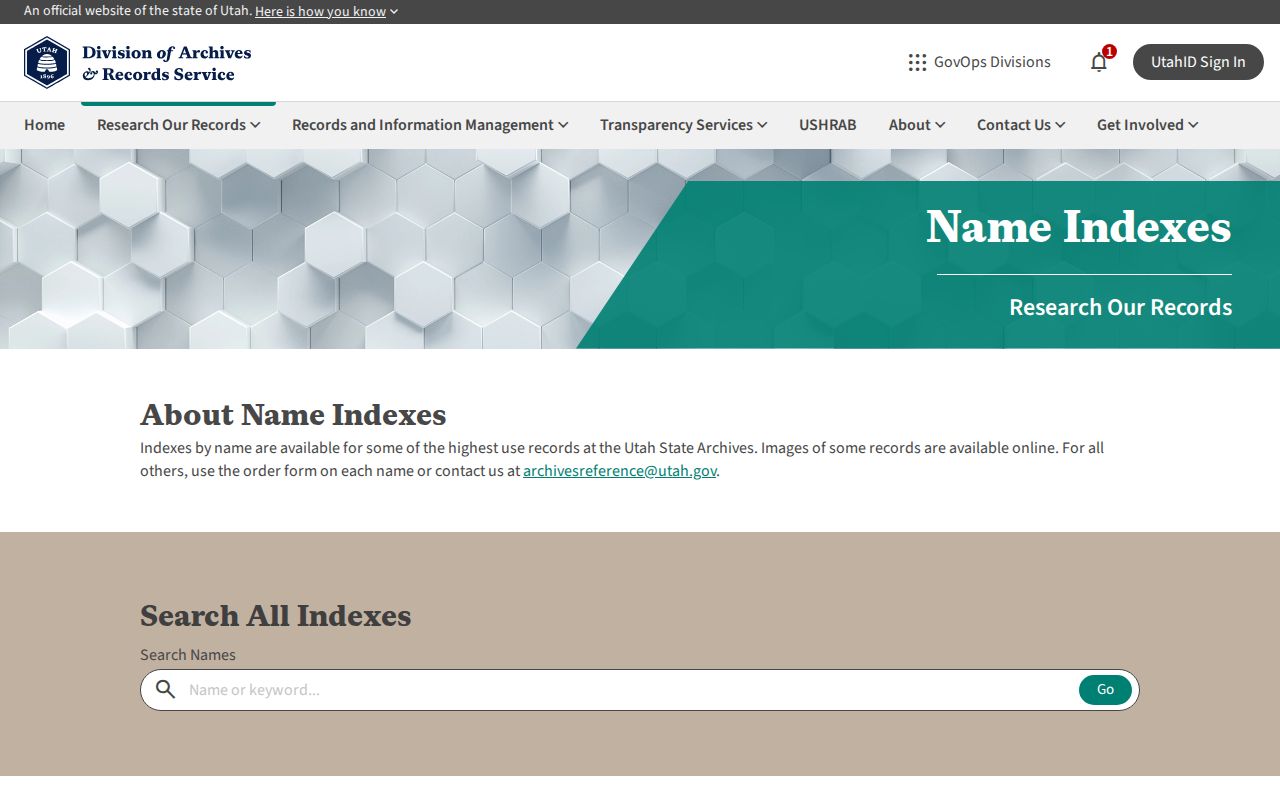
The index hub points toward series and finding aids, while repository rules determine whether an image or microfilm view is available.
Washington ZIP and Address Context
Washington City’s postal evidence centers on ZIP 84780, while nearby 84770 and 84790 belong to St. George, 84737 to Hurricane, and 84765 to Santa Clara. The Washington post office page lists 25 W Telegraph St, Washington, UT 84780-8010, with its public hours and phone. USPS can check a street, unit, city, state, or ZIP, but its result does not confirm that a person or company is at an address.
County GIS includes address points, street centerlines, ZIP Codes, city limits, parcels, subdivisions, flood, zoning, historic parcels, and aerial layers. UGRC ZIP polygons are approximate mail-service areas. The city’s straight, wide, right-angle grid dates to the 1857 settlement, making intersection and parcel cross-checks useful, but no official street-renumbering timeline was located. Do not turn a postal match into a municipal or residency claim.
The Utah voter information entry point provides the state route, although the live lookup fields were not exposed in the research capture.
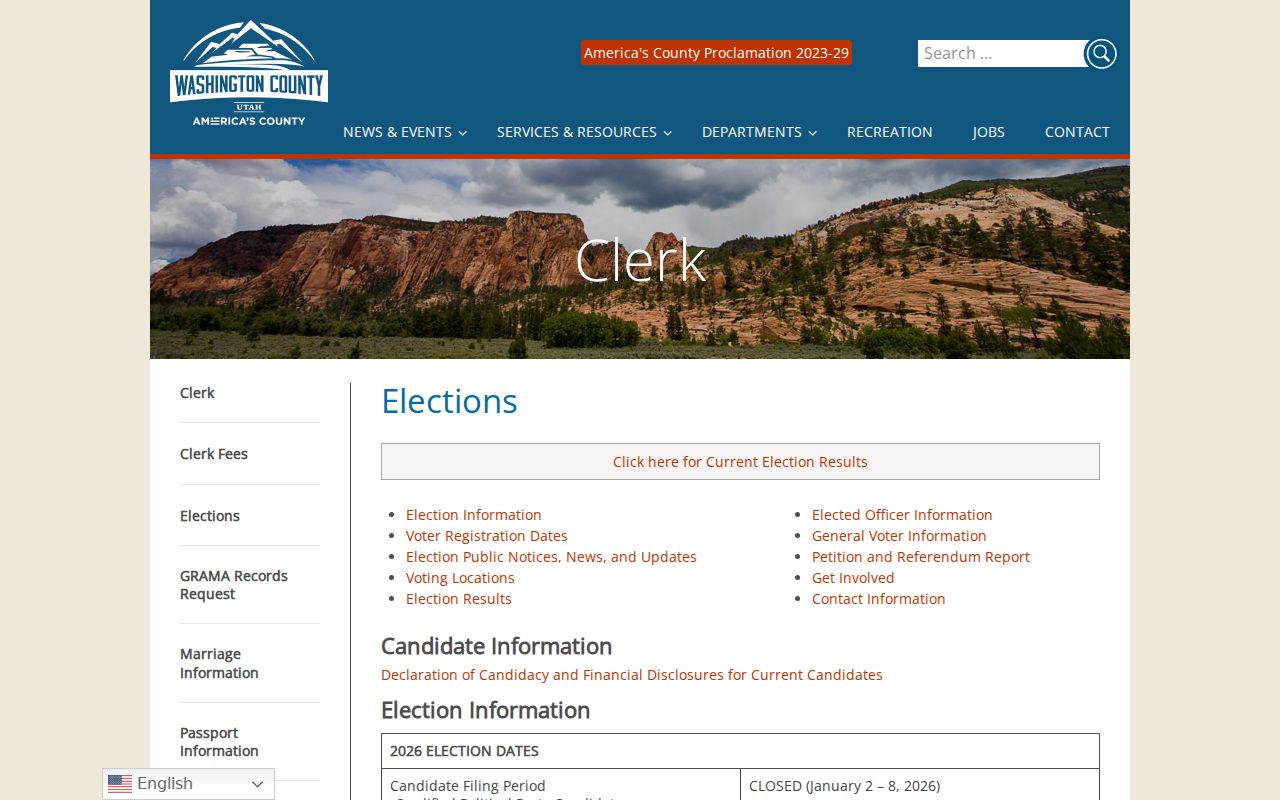
Use the voter page for current rules and route details, not as a promise of an unrestricted ZIP or street list.
Washington Birth and Death Access
Utah Office of Vital Records and Statistics handles current certificates through official online, mail, and in-person routes. Utah Code 26B-8-125 makes birth records public after 100 years, death records after 50 years, and other vital records after 75 years, subject to exceptions. Earlier certified access depends on the statute, relationship, guardian or representative status, or a qualifying direct tangible legitimate interest.
The Archives death index supports name search or browse for 1905–1970 and describes fields such as full name, death date and county, birth details, residence, burial, parents, cause, and illness. The index is not a certified copy. Marriage and divorce requests use the current form, which covers 1978–2010 and limited marriages from 2011 forward, with relationship, proof, identification, fee, and signature requirements.
Washington County’s cemetery page adds a local caution: flood damage and lost or unmarked pioneer markers can leave a known name without a certain location. Pair a death index with cemetery, obituary, probate, or WCHS evidence, and label historical residence as historical.
The Utah Office of Vital Records explains official ordering and access routes.
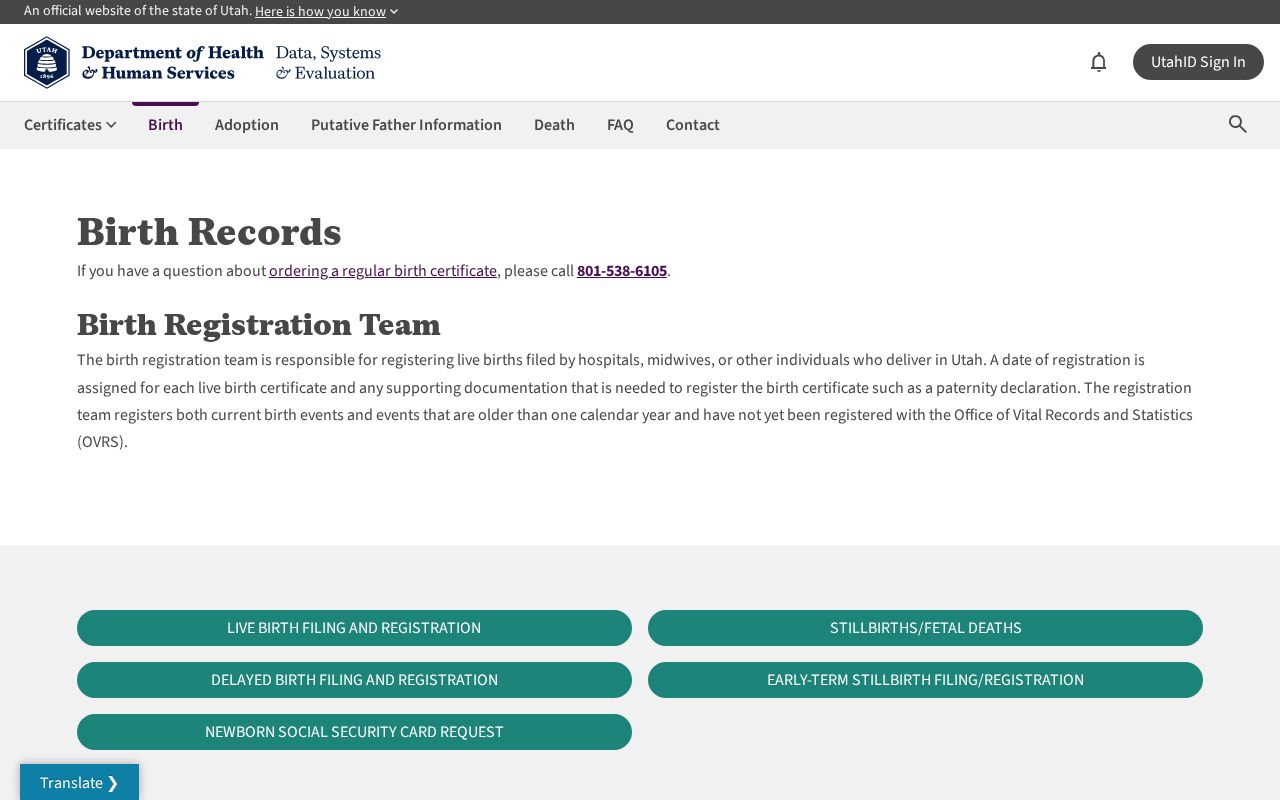
The state route makes the difference between a historical index lead and a restricted certified record clear.
Washington GRAMA Request Route
When a city permit, code case, public notice, meeting record, or county file has no search box, use the custodian’s GRAMA route. Washington City’s records page links its forms and department contacts. Washington County’s form asks for the office, requester, date, mailing address, email, phone, a precise description, inspection or copy choice, fee authorization, fee-waiver basis, expedited justification when relevant, and signature.
A useful request names one office, record type, subject or parcel, date range, and desired format. Ask for an existing record or defined extract, not “everything about” a person. Utah GRAMA generally uses a ten-business-day response period, with a five-business-day expedited path when supported. Fees can cover copying, certification, research time, or other actual costs, so inspection may be the better first choice.
Note: Keep the request, response, record identifier, retrieval date, classification, and appeal information together.
Washington History Has Useful Gaps
Negative findings matter. No complete current Washington City resident directory, freely searchable local obituary index, official citywide neighborhood-association inventory, Washington City Sanborn edition, or official digitized criss-cross run was located. The displayed 1900 Utah City Directories collection showed Ogden and Salt Lake City rather than Washington City. The Library of Congress Sanborn guide explains the search method, but a different Utah city’s map cannot stand in for Washington.
Those gaps point to the right fallback: ask WCHS or the library for a dated newspaper, directory, obituary, microfilm, or local-history search; ask Utah Tech for a collection, folder, oral history, or former-officeholder file; ask Archives for the series or reel; and use city permits, historic-site pages, abstracts, parcels, and dated aerials for a house history. The Cotton Mill, Old School/Museum, Covington Home, cemetery, and 1857 street grid provide Washington-specific anchors without exposing a living person’s location.
Protective rules stay part of the search. Safe at Home provides a substitute mailing address for qualifying survivors, while the actual address remains protected. Utah voter withholding, sealed court records, juvenile matters, vital restrictions, and victim-privacy guidance can override ordinary convenience. A Washington residents directory is most useful when it names the source, role, date, and limit, then stops before it becomes a dossier.
The Utah Safe at Home program explains why a protected address may not appear in ordinary records.
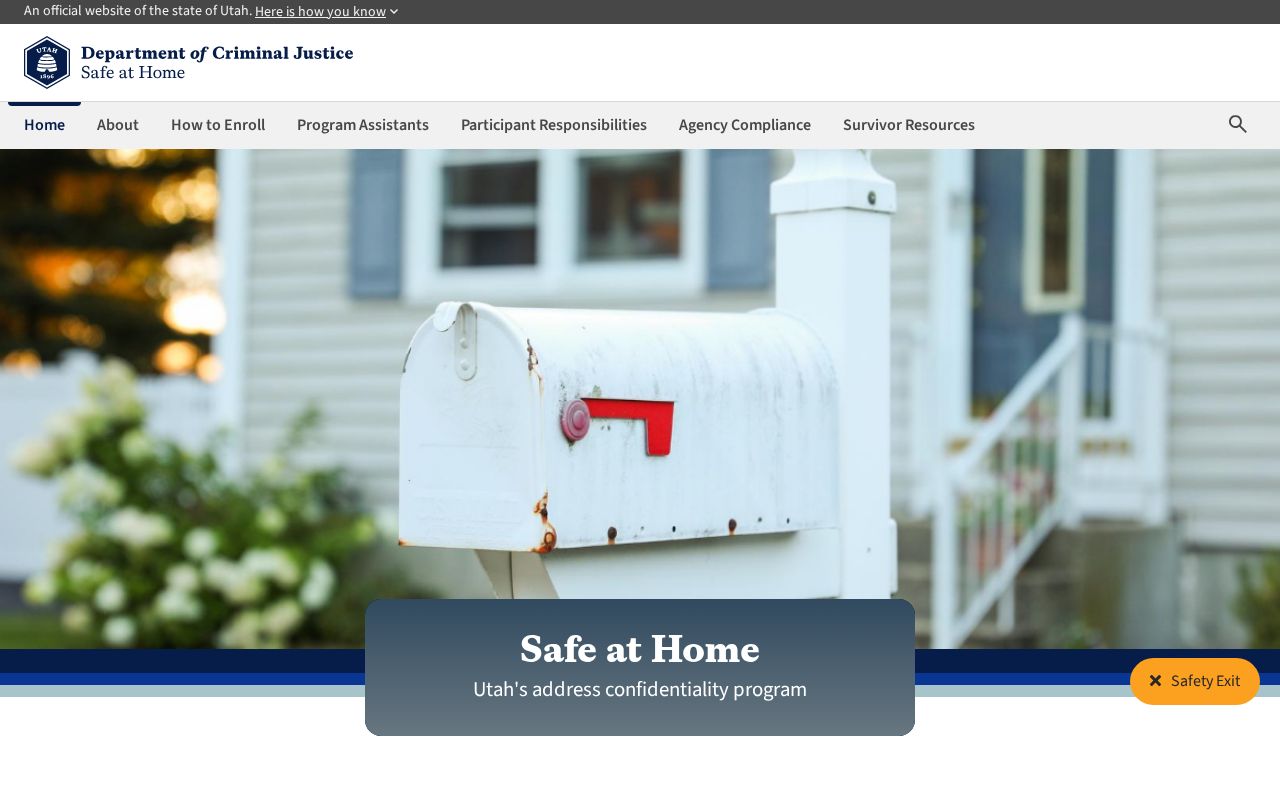
That safety boundary belongs in any public-record workflow that could otherwise join an address to a vulnerable person.
Historical Washington Resident Directories
Historical Washington resident directories work best as snapshots. A directory may show a name, spouse in parentheses, occupation, business affiliation, street, address, an occupancy mark, widow notation, or abbreviation. WCHS’s verified regional runs are the 1874, 1879–80, 1892–93, and 1903–04 gazetteer or directory leads, alongside Washington County News from 1908–1923. Exact Washington City Polk, reverse, telephone, yearbook, and obituary runs remain a research gap.
Trace a household by copying the entry exactly, checking the next and prior year, pairing the directory with federal census years, then confirming an old address against legal description, abstract, parcel, obituary, or probate evidence. The Washington city directory collections page keeps the historical-shelf method separate from the current parcel workflow. A dated entry can place a household in Washington history, but it cannot establish a current address.